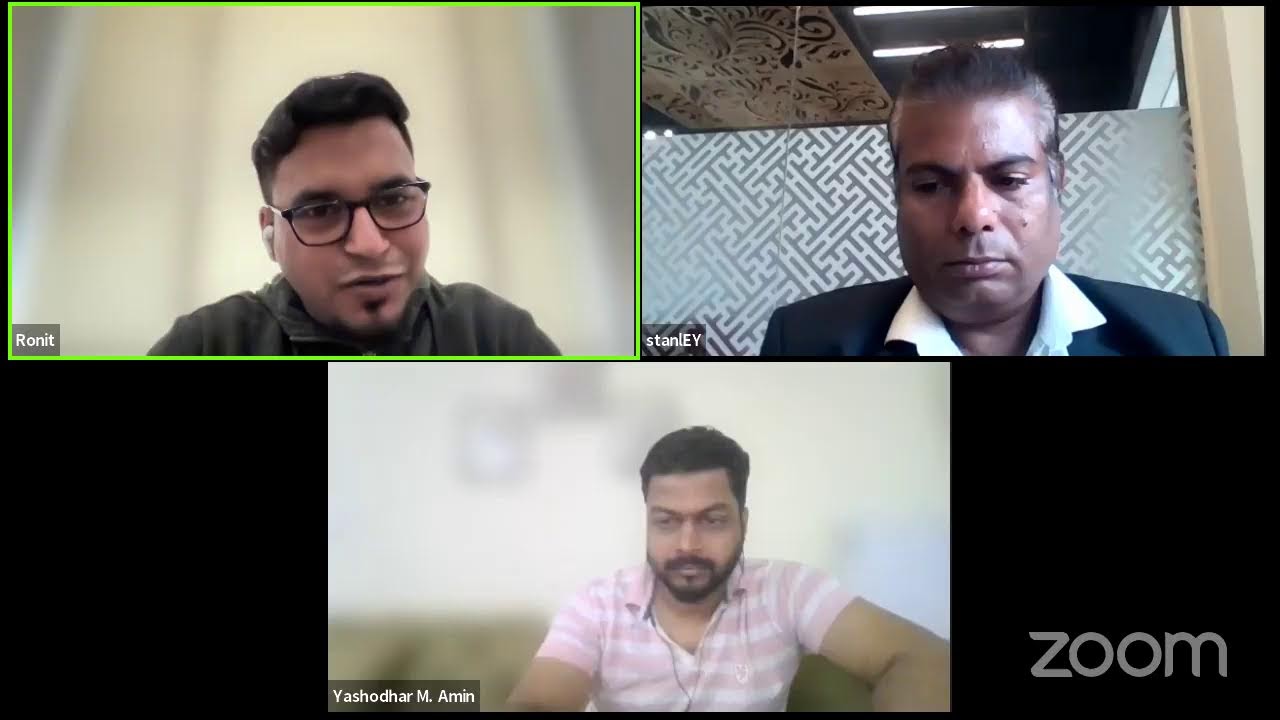
Deepika Singh, a seasoned corporate trainer known as "the lady in the SAR," challenges the notion that effective communication is solely an innate talent. She reveals that true impact comes from deliberately trained skills, strategic language use, and continuous self-improvement, offering a roadmap for professionals to elevate their presence and influence.
It is not just passion, it is also about training myself.
Effective communication isn't merely about speaking or writing; it's about ensuring your message is received and understood exactly as intended. Deepika emphasizes that the ultimate goal is an "absolute clarity" in the transfer of ideas, thoughts, and information, leaving no room for misunderstanding.
It’s not enough to convey information; the true measure of success lies in whether the listener’s interpretation aligns perfectly with the speaker’s original intent. This framework challenges professionals to move beyond simply delivering content to actively engineering understanding.
Ensure your intended meaning is the understood meaning.
Voice is far more than just a medium for words; it's a powerful instrument for conveying emotion, authority, and engagement. Deepika points to actors like Pankaj Tripathi, who masterfully use voice modulation to captivate audiences. She advocates for conscious vocal training, moving beyond natural emotional inflection to deliberately control pitch, pace, and volume.
This deliberate practice allows speakers to maintain audience interest and deliver a more impactful message, even when discussing complex or less inherently "passionate" topics. It transforms the voice into a strategic asset for communication.
Train your voice to convey intent and engage, even when passion isn't inherent.
Communication is not a skill acquired once and for all; it’s a dynamic, ongoing journey of refinement. Deepika, despite being an expert trainer, sees every workshop as an opportunity to learn and improve. She diligently notes how she can better explain concepts to future audiences, embodying the principle of continuous learning.
This framework underscores that true mastery comes from a commitment to perpetual self-improvement, recognizing that even the most seasoned communicators have more to learn about connecting and conveying messages effectively.
Embrace continuous learning; even experts are always refining their communication.
Body language is a powerful, trainable component of executive presence. Deepika shares her personal strategy: even when facing internal nervousness before addressing senior leaders, she consciously trains her body to project confidence and authority upon entering a room. This deliberate physical posture helps command attention and respect.
This framework teaches that outward confidence can be cultivated through practice, effectively overcoming internal anxieties and establishing a commanding presence that reinforces your verbal message.
Train your physical presence to project confidence, regardless of internal feelings.
To achieve maximum clarity and authenticity, identify and leverage the language you predominantly think in. Deepika, having been educated in convent schools, primarily thinks in English. When she communicates in English, there's no internal translation process, allowing her to articulate her thoughts "really well" and genuinely.
This framework suggests that by speaking in your native thought language, you can eliminate cognitive friction, leading to more fluid, precise, and authentic expression, as your brain isn't busy translating ideas.
Speak in the language you think in for maximum clarity and authenticity.
While English is indispensable for global professional interactions, there are strategic benefits to occasionally using your native thought language. Deepika advises that if the audience understands, it's "sometimes okay to lapse into your language that you're thinking in" to express yourself more completely and build deeper rapport.
This approach allows for a level of nuanced expression and emotional connection that might be lost in a second language, fostering genuine communication beyond rigid linguistic norms, provided the context is appropriate and inclusive.
Use your native thought language strategically when the audience understands, for deeper connection.
Effective communication is primarily driven by natural passion.
Deepika demonstrates how deliberate self-training in areas like voice modulation and body language can ensure impact and engagement, even when inherent passion for a topic might be low or nervousness is present. This emphasizes that learned techniques are as crucial as natural enthusiasm.
Communication skills are a fixed ability that you either have or don't.
Deepika, a seasoned communication trainer, continually refines her own methods, making notes after every workshop to improve her explanations. This highlights that even experts are always learning, debunking the myth that communication skills are a static attribute.
In professional settings, one must always speak in the internationally accepted language (e.g., English).
Deepika suggests that if an audience understands, temporarily switching to one's native thought language eliminates mental translation, leading to more articulate and genuine expression. This encourages a flexible approach to language in appropriate contexts for deeper connection.
Focus on active listening to truly understand client needs, then articulate your product's value with absolute clarity, using modulated voice and confident body language to build trust and close deals effectively. Practice explaining complex solutions in simple, client-centric language.
Train your executive presence to inspire confidence in investors and team members. Practice concise, impactful storytelling for your pitch, ensuring your voice conveys conviction and your body language projects leadership. Leverage your native thought language for authentic expression when connecting deeply with your core team.
Continuously learn how to adapt your communication style and language strategy for different platforms and demographics. Ensure your brand message is always delivered with absolute clarity, using voice and tone that resonates, whether in a video, presentation, or written copy.
Actively seek feedback on your presentation and interview skills. Practice voice modulation and confident body language to make a strong first impression. Embrace communication as a lifelong learning activity, constantly seeking opportunities to refine how you articulate ideas and engage with peers and mentors.
When you're thinking in one language and you also speak in that language, you are able to explain yourself really well because there is no translation happening in your head.
Join thousands of Indian professionals learning from industry experts.
Explore All Courses →