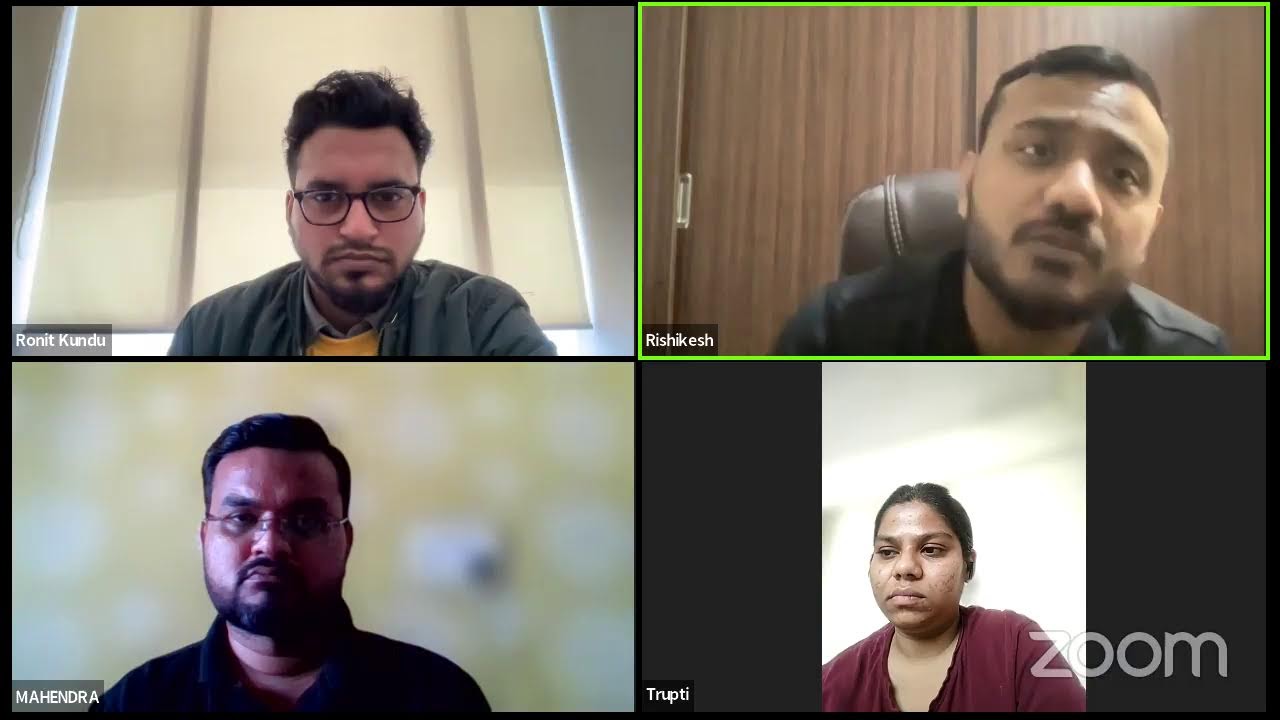
Expert Rishikesh Kumar, an FMS Delhi alumnus and entrepreneur, reveals how a sales career isn't just about closing deals but about profound personal transformation. He illustrates through his own journey how perceived weaknesses, like a stammer, can become the greatest strengths in sales and life. This perspective empowers professionals to see their challenges as opportunities for unparalleled growth and success.
The biggest trait I have is fully recognizing there is abundance not only outside, but inside too; if I think I can do something, I can do this abundance.— Rishikesh Kumar
The concept of Weakness Alchemy posits that our perceived personal shortcomings are not roadblocks but rather raw materials for unique strengths. Rishikesh Kumar's own journey exemplifies this. As a fourth-grader with a pronounced stammer, he was an unlikely candidate for a career in communication or sales. Yet, through the persistent encouragement of his teacher, Subh Kumar Singh, and his own unwavering effort, he transformed this vulnerability. He didn't just overcome it; he honed his verbal abilities to such an extent that he achieved the highest verbal ability percentile in the highly competitive CAT exam, making communication a cornerstone of his professional success.
The Abundance Principle is a mindset that encourages the belief in limitless opportunities and resources, both externally and internally. Rishikesh emphasizes this as his core trait: the conviction that if he believes he can achieve something, he possesses the inherent capability to do so. This isn't just about external wealth or sales leads; it's a deep-seated recognition of an internal wellspring of potential and resilience. This belief system fuels proactive behavior, fosters creativity in problem-solving, and sustains motivation even in the face of setbacks, making it a crucial element for sustained success in dynamic fields like sales and entrepreneurship.
The Unburdened Identity framework advocates for shedding the psychological baggage of external labels, past achievements, or even failures that can inadvertently define us. Rishikesh, despite being an alumnus of FMS Delhi, a prestigious institution, explicitly states his refusal to "carry baggage" of his college brand. He asserts, "no College brand nothing I am rishik that's it." This philosophy encourages individuals to define themselves by their present actions and inherent character, rather than allowing institutional affiliations, social status, or even personal history to dictate their worth or potential. It fosters a sense of authentic self-reliance and freedom.
In an increasingly digital world, the Empathy Engagement framework champions the irreplaceable value of genuine human interaction, face-to-face conversations, and empathetic understanding. Rishikesh expresses concern over the "blocking culture" prevalent on digital platforms, advocating for the importance of "switching on videos, talking face-to-face, and being empathetic." He argues that real connection builds trust and deeper relationships in a way that impersonal digital interactions cannot replicate. This principle is especially vital in sales, where understanding a client's unspoken needs and building rapport are paramount to long-term success, distinguishing human interaction from what machines can offer.
Catalytic Mentorship highlights the transformative impact a single individual, often a teacher or mentor, can have on one's life. Rishikesh credits his fourth-grade teacher, Subh Kumar Singh, as the pivotal figure who took personal responsibility for his stammer. Despite mockery from others, his teacher pushed him to speak, believed in his potential, and provided unwavering support. This mentorship wasn't just about instruction; it was about recognizing and nurturing an innate capability, propelling Rishikesh beyond his perceived limitations and ultimately shaping his ability to communicate effectively, proving that a mentor's belief can unlock dormant potential.
The framework of Sales Systemization addresses the historical lack of a structured learning approach within the sales profession, particularly in India. Unlike other professional domains, sales has often been viewed as an innate talent rather than a skill that can be systematically taught and refined. Ronit introduces Juno School of Business as an organization specifically ideated to fill this void, establishing a dedicated platform for sales education. Rishikesh commends this as a "Noble initiative," underscoring the critical need to formalize sales training to professionalize the career path and equip individuals with structured knowledge and skills for sustained growth and development.
Rishikesh, despite being an FMS Delhi alumnus, explicitly rejects carrying the "baggage" of his college brand. He highlights that he found confidence and made his own path despite not cracking IIT or getting the "best" campus placement, proving personal drive outweighs pedigree. Your journey and self-worth are not dictated by the perceived prestige of your alma mater or your first job offer.
Rishikesh shares his journey of overcoming a severe stammer to become an effective communicator, even achieving the highest verbal percentile in CAT. He views this transformation as a testament to converting a perceived flaw into a core competency. Instead of hiding weaknesses, strategically address them; they often hold the key to developing unparalleled personal and professional capabilities.
Rishikesh criticizes the "blocking culture" of social media, advocating for physical meetings and empathic conversation. He argues that no AI or machine can truly replicate the depth of human values found in direct, personal interaction, which is crucial for sales. Prioritize authentic, in-person engagement to build deeper trust and truly understand client needs, fostering relationships that digital platforms simply cannot.
Move beyond transactional selling by prioritizing genuine, face-to-face (or video-on) conversations. Focus on truly understanding client needs and building trust, leveraging your unique personality to forge connections that machines cannot replicate. This human touch is your superpower.
Recognize that your unique challenges and experiences, even perceived weaknesses, can be powerful assets in your entrepreneurial narrative. Cultivate an abundance mindset, believing in your internal capabilities and external opportunities to drive innovation and resilience in your venture.
Instead of generic campaigns, focus on human-centric stories that highlight transformation and genuine connection. Advocate for content that showcases how challenges are overcome, mirroring Rishikesh's journey, to build deeper audience trust and resonance.
Actively seek out opportunities to address and transform any personal weaknesses into unique strengths, just as Rishikesh did with his stammer. Prioritize structured learning, especially in areas like sales and communication, and actively seek out mentors who believe in your potential.
Don't carry baggage of anything in your life, because if you carry baggage, things can be lost in one second. Consider yourself to be living your life on your own; no baggage, no estate, no religion, no college brand, nothing. Just you.— Rishikesh Kumar
Rishikesh Kumar, an FMS Delhi alumnus and seasoned entrepreneur, embodies the power of personal transformation. He candidly shares how overcoming a childhood stammer, catalyzed by a dedicated teacher, became the foundation for his exceptional communication skills and professional success. Rishikesh advocates for structured sales education and champions an abundance mindset, believing in limitless potential both within oneself and in the world.
Entrepreneur · FMS Delhi Alumnus · Sales LeaderJoin thousands of Indian professionals learning from industry experts.
Explore All Courses →